


Your air conditioner should quietly and efficiently keep your home comfortable during the hottest months. When it starts struggling, though, the signs can be subtle at first and then suddenly obvious. Ignoring them often leads to bigger repairs, skyrocketing energy bills, and uncomfortable indoor temperatures. Recognizing these warning signals early can help you address issues before they escalate. If you live in the Rancho Cordova area and need reliable service, consider reaching out to HVAC Rancho Cordova professionals who understand local climate demands and can provide prompt, expert care.
Modern air conditioners are built to handle seasonal heat, but they aren’t invincible. Dust buildup, aging components, low refrigerant, or poor maintenance can force the system to work overtime. The result? Higher stress on the unit and your wallet. Let’s explore the most common indicators that your AC is straining and what you can do about it.
Unusually High Energy Bills
One of the first red flags many homeowners notice is a sudden spike in their electricity costs even when usage patterns haven’t changed. Air conditioners typically account for a large portion of summer energy consumption, but when the system works harder than necessary, it consumes significantly more power.
This often happens because the unit runs longer cycles to achieve the desired temperature. Dirty filters, clogged coils, or failing capacitors make it difficult for the system to transfer heat efficiently. As a result, the compressor and fan motors stay active far longer than they should. Track your bills month over month. A consistent upward trend during cooling season, without extreme weather changes, often points to an overworked AC.
Frequent On-and-Off Cycling
Short-cycling when your AC turns on and off more frequently than normal—puts tremendous strain on the compressor. Ideally, a properly sized and maintained system should run in longer, steadier cycles. Rapid cycling usually indicates that the unit is oversized, low on refrigerant, or dealing with airflow restrictions.
Beyond wearing out components faster, short-cycling also fails to dehumidify your home effectively, leaving the air feeling clammy even when the temperature drops. Listen for the telltale click of the system kicking on every few minutes. This pattern not only wastes energy but can lead to premature system failure if left unaddressed.
Weak or Inconsistent Airflow
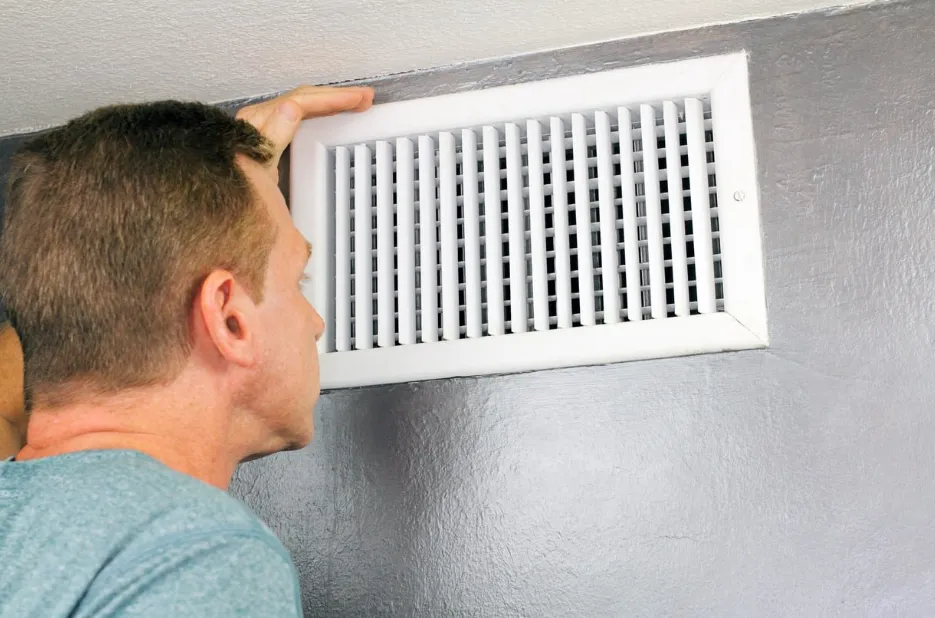
Turn on your AC and stand near the vents. Is the airflow noticeably weaker than it used to be? Reduced airflow is a classic sign that your system is struggling. Common culprits include dirty air filters, blocked vents, or issues with the blower motor.
When airflow is restricted, the evaporator coil can’t absorb heat as effectively. The system compensates by running harder and longer, which can cause the coil to freeze over. Frozen coils further reduce efficiency and may eventually lead to refrigerant leaks or compressor damage. Replacing filters monthly during peak season is one of the simplest ways to prevent this issue.
Warm Air Coming from Vents
Few things are more frustrating than setting the thermostat to 72°F only to feel lukewarm air blowing from the registers. This symptom can stem from low refrigerant levels, a failing compressor, or problems with the condenser unit outside.
Low refrigerant is especially concerning because it often indicates a leak. Not only does this make the system work harder to cool the house, but operating with insufficient refrigerant can cause serious—and expensive—damage to the compressor. If you notice this issue, it’s best to call a technician rather than simply adding more refrigerant yourself, as proper diagnosis and leak repair are essential.
Strange Noises and Vibrations
A healthy air conditioner produces a relatively consistent, low hum. Grinding, squealing, rattling, or banging sounds suggest mechanical problems. Squealing often comes from a worn belt or motor bearings, while rattling might indicate loose parts or debris in the unit.
These noises mean components are under extra stress. The longer you let them continue, the greater the risk of complete breakdown during a heat wave. Similarly, excessive vibration can signal an unbalanced fan blade or deteriorating motor mounts. Addressing unusual sounds promptly can save you from a full system replacement down the road.
Ice or Frost Buildup on Coils
Seeing ice on your indoor evaporator coils or outdoor lines is never normal. This usually occurs when airflow is severely restricted or refrigerant levels are too low. The system works overtime trying to cool the air, but without proper heat exchange, moisture in the air freezes on the coils.
While it might seem counterintuitive, ice actually reduces cooling capacity dramatically. Once the ice melts, you may notice water leaking inside your home. Both frozen coils and leaks require professional attention to prevent water damage and further system strain.
Uneven Cooling Throughout the House
Do some rooms feel like a refrigerator while others remain stuffy? Uneven cooling often points to an overworked system that can’t distribute air properly. This can result from duct leaks, closed registers, dirty coils, or an aging unit that’s simply too small for your home’s current needs.
Poor insulation, sealed windows, or added home renovations can also change the cooling load. An HVAC professional can perform a load calculation to determine whether your current system is appropriately sized or if ductwork improvements are needed.
Musty Odors or Poor Indoor Air Quality
When an AC works harder than it should, it often circulates more dust, mold, and allergens. A persistent musty smell usually signals moisture problems—either from a clogged drain line or mold growth on dirty coils.
Beyond discomfort, compromised air quality can affect respiratory health. Regular maintenance, including coil cleaning and changing filters, helps maintain both efficiency and healthy indoor air.
What to Do When You Spot These Signs
Don’t wait until your AC fails completely on the hottest day of the year. Start with simple DIY steps: replace air filters, clear debris around the outdoor unit, and ensure vents are open and unobstructed. For anything beyond basic maintenance, however, professional diagnosis is crucial.
Qualified technicians can check refrigerant levels, test electrical components, clean coils thoroughly, and calibrate the system for optimal performance. In areas with hot summers like Rancho Cordova, investing in annual tune-ups pays dividends through lower energy bills and extended equipment life.
Regular maintenance also helps you catch small problems before they become major repairs. Many HVAC companies offer maintenance plans that include priority service, discounted repairs, and seasonal inspections.
Conclusion
An air conditioner working harder than it should is more than an inconvenience—it’s a warning that efficiency is dropping and repair costs may be looming. By paying attention to higher bills, strange noises, weak airflow, and other symptoms, you can take action early and keep your home comfortable without unnecessary expense.
Stay proactive with routine care and don’t hesitate to consult experienced professionals when issues arise. A well-maintained system runs quietly, efficiently, and reliably, giving you peace of mind throughout the hottest months. Whether you’re troubleshooting minor problems or planning a system upgrade, addressing signs of strain promptly ensures better comfort and long-term savings for your household.