


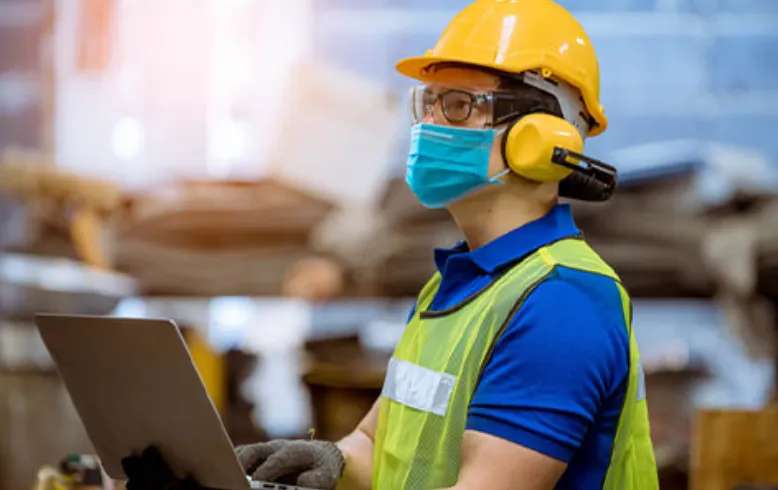
There is a major change occurring in Australia’s workplace health and safety regulations. Businesses in metropolitan areas like Melbourne and Sydney are going beyond the minimum requirements. Occupational hygienists Sydney are being hired not only for regulatory compliance but their expertise is being sought on workforce wellness, sustainability, and ESG performance. In Melbourne and Sydney, occupational hygienists are no longer being brought in just for simple tasks like air monitoring and asbestos removal. They are now being consulted for long-term risk management, the health impacts of climate change, and the indoor air quality of large, densely occupied office spaces.
Australia is still evolving from the oversight and compliance aspects into the innovation opportunities of occupational hygienists.
Hazards Specific to Urban Areas are Single-Handedly Making the Case for Specialized Expertise
Melbourne and Sydney are the business and cultural capitals of Australia. However, their health risks due to the high-density industrial zones, major infrastructure projects, aging buildings, and urban sprawl are not shallow and require local expertise.
In these cities, hygienists are increasingly engaged to deal with:
– Fine particulate pollution: Tunnels, rail corridors, and urban construction sites.
– Heat stress and poor ventilation: Buildings not designed for current climate realities.
– Chemical exposure: Specialty biotech and pharma sectors, or creative industries using resins, inks, and solvents.
– Indoor air quality: Hybrid and co-working spaces.
– Noise exposure: Hospitality, events, and public transport hubs, not just factories.
To deal with these issues, hygienists must not only grasp the national exposure limits, but also need to have a working knowledge of the local weather patterns, seasonal changes, and city-specific rules.
Occupational Hygiene as a Pillar of ESG Strategy
In Sydney and Melbourne, one of the more notable changes being made by businesses is the increase in focus given to ESG reporting. While most companies focus heavily on carbon footprints and governance metrics, the ‘S’ — social sustainability — is often the weakest link.
That is where occupational hygienists Melbourne are stepping in and creating strategic impact.
To demonstrate the following, active investigations and reports on noise, dust, VOCs, and other hazards are essential:
– Maintaining employee health protection meets the ‘safe working conditions’ social sustainability pillar.
– Complying with WHS regulations falls under the ‘Governance’ metrics.
– Control of emissions, odors, or waste within the workplace under ‘Environmental’ initiatives.
This means occupational hygienists are no longer simply consultants on compliance. They have become integral contributors to ESG narratives, which have increasingly begun to influence investment, procurement, and reputation.
A Shift Toward Proactive, Data-Driven Health Surveillance
Hygienists were typically called in after some time had passed, or during pre-scheduled monitoring. Now, businesses in regions like Sydney and Melbourne are integrating hygiene services into continuous improvement cycles.
This trend is being driven by:
– Improved access to monitoring devices for dust, CO₂, and noise.
– More sophisticated building management systems that monitor air quality and HVACs.
– The inclusion of health data into digital risk registers or compliance dashboards.
Occupational hygienists are being tasked with more than testing and reporting. They are expected to analyze and interpret trends, provide early warnings, and recommend engineering or substitution controls to prevent escalation of hazards.
These occupational hygienists are integral not just to the risk and compliance function, WHS team.
Facilitating Future-Focused Workplaces in Australia’s Expanding Cities
As flexible workspaces proliferate and Sydney and Melbourne lead the return-to-office trend in Australia, there is greater attention to the indoor environmental quality of modern offices.
Occupational hygienists and other experts in workplace safety are helping companies answer novel and important questions such as:
Is indoor air safe for workers who are vulnerable or immunocompromised?
Are CO₂ emissions capped in meeting rooms to prevent cognitive fatigue?
Is exposure to noise in open plan offices impairing concentration or affecting mental health?
Within this context, hygiene services are more than compliance with legal thresholds — they are about workplace experience and talent retention in a market grappling with skilled workforce shortages.
The Bottom Line: From Reactive Compliance To Strategic Asset
The most progressive companies in Sydney and Melbourne are leveraging occupational hygiene not only to mitigate risks, but actively to foster more health supportive, safer, and environmentally responsible workplaces.
For companies, this necessitates a shift to engaging occupational hygienists as not just one-off testers, but strategic collaborators in health resilience and operational continuity.
For the hygienists themselves asbestos testing sydney, this creates opportunities in influencing ESG reporting, smart building construction, and data-informed risk assessment and management. With the rise in compliance requirements and new standards in occupational safety, Australia’s largest cities require occupational hygienists now more than ever – not only to meet compliance standards but to set industry benchmarks.