


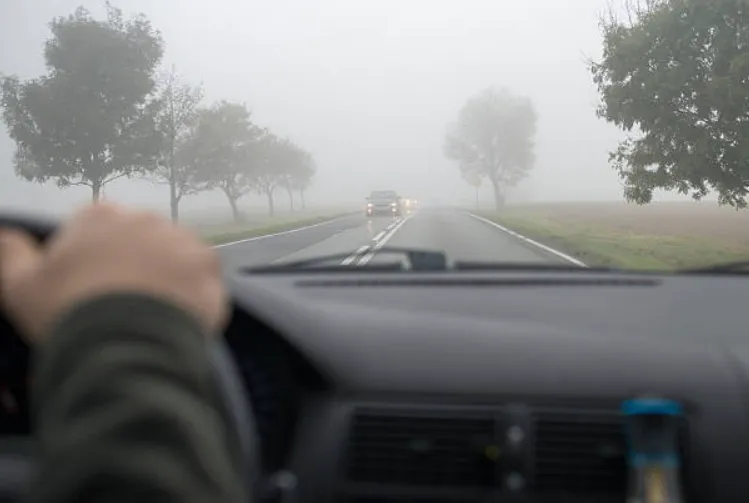
Driving isn’t just about controlling your own vehicle—it’s about navigating a shared space with hundreds of unpredictable drivers. While defensive driving focuses on protecting yourself from hazards, anticipating what others might do adds a proactive layer of safety that can help avoid accidents altogether. Whether you’re a new driver or a seasoned commuter, expert automobile accidents lawyers point out that learning to “read” the road around you is a skill that can make every trip safer. Here are key tips to help you anticipate the actions of other drivers and respond with confidence and caution.
Pay Attention to Body Language—Yes, Cars Have It
Vehicles, like people, give off subtle signals. The way a car drifts in its lane, hesitates at intersections, or creeps forward at a red light can all reveal the driver’s intent. Watch for swaying within a lane or rapid braking. These might suggest distraction or fatigue. A car hugging the lane line might be preparing to merge or turn, even if the driver hasn’t activated a signal. By treating every clue as a potential message, you train yourself to expect the unexpected.
Watch the Wheels, Not Just the Signals
Turn signals are helpful, but they’re not always reliable. Some drivers forget to use them; others leave them blinking for miles without taking any action. Instead of relying solely on indicators, watch the front wheels. The direction they’re pointed in and whether they start to roll can give away a driver’s intentions before the rest of the car follows. This is especially important at intersections and in parking lots, where last-minute decisions are common.
Look Two or Three Cars Ahead
Too many drivers fixate on the vehicle directly in front of them. That’s a mistake. Looking two or three cars ahead gives you a broader picture of the road. If brake lights start flashing up ahead, you’ll have more time to respond smoothly. This technique is also useful in traffic jams and on highways, where sudden slowdowns can cause pileups. Think of it as playing chess: the best players aren’t thinking about the next move, but the next three.
Be Aware of “Problem Zones”
Intersections, highway exits, school zones, and construction areas are hotbeds of unpredictable driving. People rush yellow lights, weave across multiple lanes to catch an exit, or stop suddenly for pedestrians. In these zones, reduce your speed slightly and increase your focus. Expect cars to turn without signaling, or for pedestrians to appear unexpectedly. Being mentally prepared gives you a buffer against mistakes that aren’t your own.
Keep a Comfortable Distance
Tailgating doesn’t just reduce your reaction time; it also limits your ability to read the behavior of cars ahead. Maintaining a safe following distance—at least three seconds in normal conditions—gives you time to observe and interpret what’s happening around you. If you see a vehicle weaving or braking erratically, increase your distance further. Space equals time, and time equals safety.
Use Mirrors and Check Blind Spots Often
Good anticipation isn’t only about what’s ahead—it includes what’s happening behind and beside you. Regularly check your rearview and side mirrors to spot fast-approaching vehicles, erratic lane changers, or motorcycles that may be slipping between lanes. Blind spot checks are crucial before lane changes, but also help you track the rhythm of surrounding traffic. The more aware you are of your environment, the better you can predict potential threats.
Don’t Assume Everyone Will Follow the Rules
This might be the most important mindset shift of all: Never assume that other drivers will obey traffic laws or drive logically. That pedestrian may step out before the walk signal. That oncoming car might turn left without yielding. That SUV could run the red light. If you treat every situation with cautious skepticism, you’re less likely to be caught off guard.
Trust Your Gut—And Stay Calm
Sometimes, your intuition will sense something’s off before your brain fully registers it. A car creeping at a green light, a driver acting hesitant—these are red flags. Trust that feeling. Slow down, create space, and prepare to brake. Staying calm is equally important. Panic reactions lead to overcorrection, which can cause the very accident you’re trying to avoid.
Final Thoughts: When Caution Isn’t Enough
Despite your best efforts, accidents can still happen, especially when others act recklessly. In those moments, knowing your rights is just as important as knowing the rules of the road. If you’ve been involved in a collision caused by another driver’s unpredictable or negligent behavior, it’s crucial to speak with a qualified attorney. Experienced automobile accidents lawyers can help you navigate the legal process, protect your interests, and ensure you receive the compensation you deserve. Don’t wait—reach out today to discuss your case.