


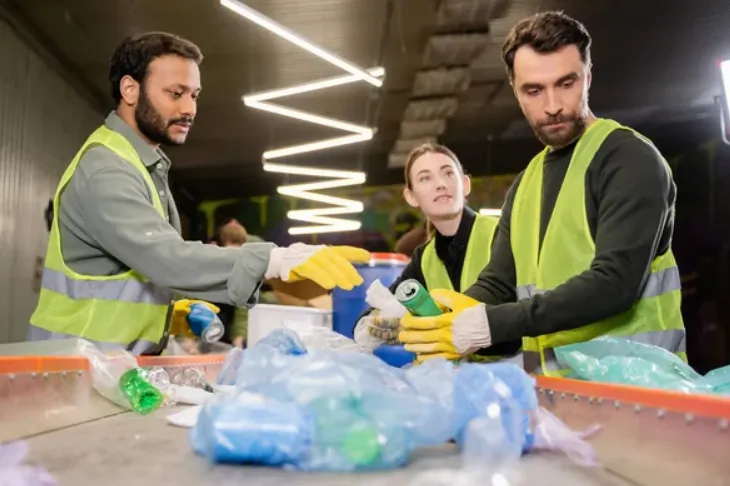
The modern world’s increasing demand for sustainable practices has thrust waste management into the spotlight, necessitating expert consultation. This domain encompasses a host of complex requirements from regulatory compliance to innovative recycling technologies. Reach out to BNL Singapore for waste management consulting services; they offer exemplary support for organisations aiming to refine their waste disposal strategies while ensuring environmentally sound practices.
Understanding Waste Management Consulting
Waste management consulting is a specialised service designed to help businesses, institutions, and government bodies manage waste more effectively. The goal is to develop practical strategies that reduce waste generation, increase recycling efficiency, and ensure compliance with environmental regulations.
Consultants begin by evaluating an organisation’s existing waste management practices. This process often includes waste audits, operational assessments, and data analysis to identify inefficiencies and opportunities for improvement. The insights gained from these evaluations form the foundation for a comprehensive waste management strategy.
A well-designed waste management plan typically focuses on waste reduction, recycling optimisation, resource recovery, and responsible disposal. By implementing structured processes and sustainable solutions, organisations can significantly reduce landfill waste while improving overall operational efficiency.
Waste management consulting also helps businesses adopt environmentally responsible practices that align with global sustainability standards. These improvements not only benefit the environment but can also enhance corporate reputation and stakeholder trust.
The Role of a Waste Management Consultant
A waste management consultant plays an important role in guiding organisations toward more sustainable and efficient waste practices. Their work involves analysing waste streams, evaluating disposal systems, and recommending solutions that reduce waste generation and improve resource recovery.
Consultants often conduct detailed waste audits to determine how materials flow through an organisation. This includes examining production processes, packaging materials, recycling procedures, and disposal methods. By identifying areas of waste accumulation or inefficiency, consultants can propose targeted strategies to improve performance.
Another key responsibility is developing customised waste management strategies tailored to the needs of each organisation. These strategies may involve improving recycling systems, implementing waste reduction initiatives, or introducing sustainable material handling practices.
Consultants also help organisations establish measurable sustainability goals. These targets may include reducing landfill waste, increasing recycling rates, or improving overall waste diversion performance. With proper monitoring systems in place, organisations can track progress and continuously refine their waste management practices.
Regulatory Compliance and Environmental Responsibility
Environmental regulations surrounding waste management can be highly complex. Businesses must comply with various local, national, and international policies governing waste disposal, hazardous materials handling, and environmental protection.
Failure to comply with these regulations can lead to severe consequences, including financial penalties, operational disruptions, and reputational damage. Waste management consultants help organisations navigate these regulatory frameworks by ensuring that their practices align with current environmental laws and compliance standards.
Beyond regulatory compliance, consultants also focus on reducing environmental impact. Sustainable waste management practices aim to minimise pollution, conserve natural resources, and reduce greenhouse gas emissions. These efforts contribute to broader environmental goals while helping organisations operate responsibly.
A key concept often incorporated into modern waste strategies is the circular economy. Rather than treating waste as a disposable by-product, the circular approach views materials as valuable resources that can be reused, recycled, or repurposed. Waste management consultants help organisations adopt circular economy principles to maximise resource efficiency and reduce environmental harm.
Economic Benefits of Effective Waste Management
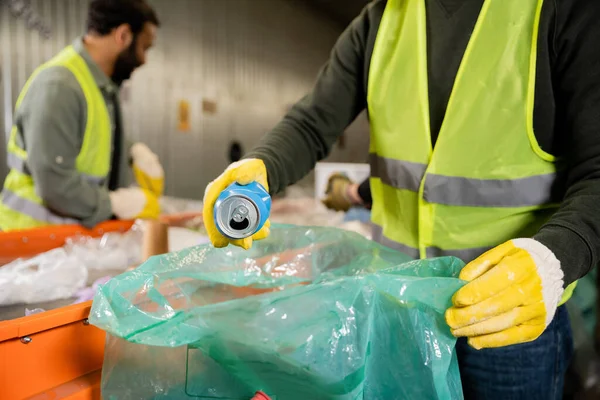
Effective waste management is not only environmentally beneficial but also financially advantageous. Organisations that implement structured waste reduction strategies often experience significant cost savings.
Reducing waste generation means fewer materials are sent to landfills, which lowers disposal and transportation costs. Improved recycling programmes can also generate revenue through the recovery and resale of recyclable materials.
Waste management consultants help organisations identify these economic opportunities. By analysing waste streams and operational processes, consultants can highlight areas where waste reduction efforts lead to measurable financial benefits.
Additionally, businesses that adopt sustainable waste management practices may improve their market competitiveness. Consumers and stakeholders increasingly prefer organisations that demonstrate environmental responsibility, which can enhance brand reputation and customer loyalty.
Conclusion
Waste management consulting has become an essential resource for organisations navigating the complexities of modern environmental responsibility. As regulations evolve and sustainability expectations increase, businesses must adopt smarter strategies for managing waste and conserving resources.
Through comprehensive waste audits, regulatory guidance, and technological integration, consultants help organisations develop effective waste management systems. These strategies reduce environmental impact, improve recycling performance, and enhance operational efficiency.
By embracing sustainable waste management practices, organisations can achieve both environmental and economic benefits. With expert guidance and innovative solutions, businesses can transform waste management from a compliance requirement into a strategic advantage that supports long-term sustainability and responsible growth.