


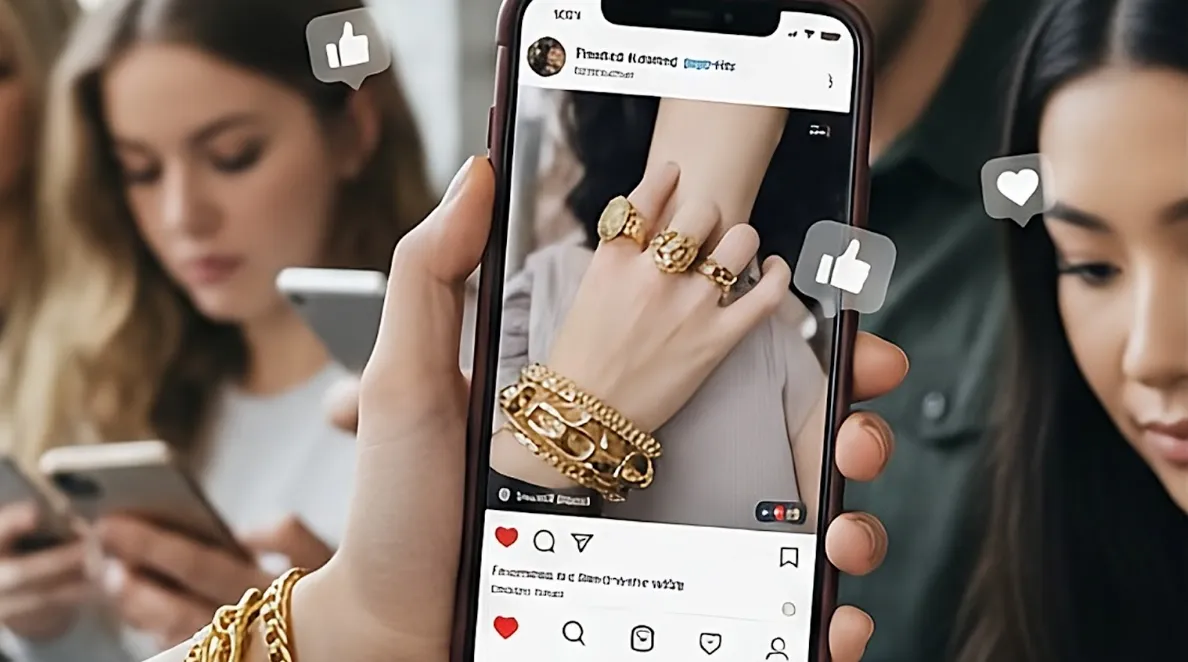
Social media has revolutionized how jewelry trends emerge, spread, and evolve. What once took months to travel from runways to retail stores now happens in days through platforms like Instagram, TikTok, and Pinterest. The digital age has transformed jewelry from a quiet accessory category into a fast-moving, highly visible style language that updates in real time.
The power to influence jewelry fashion has shifted dramatically. Where magazines and red carpets once held exclusive authority over what pieces became popular, millions of creators and everyday consumers now shape trends through posts, videos, and viral moments. This democratization has accelerated the trend cycle and created new opportunities for both established brands and emerging designers to connect with audiences.
Platforms now decide which jewelry trends rise, fade, and come back stronger than before. From minimal gold chains to bold statement pieces, social media algorithms and user engagement determine what captures collective attention. Understanding this shift is essential for anyone interested in contemporary jewelry culture, whether as a consumer, creator, or brand.
From Runways to Feeds: The New Jewelry Trendsetters
For decades, magazines, red carpets, and runway shows dictated jewelry fashion. Now, a single Instagram carousel or TikTok video can influence more people in one day than a print spread could in a month. Social media has shifted trend power from a handful of editors and stylists to millions of creators and consumers.
This shift affects both what becomes popular and how quickly it spreads. A design that once took a full season to catch on can now become “everywhere” in a week simply by appearing in a viral challenge, a celebrity post, or a trending sound.
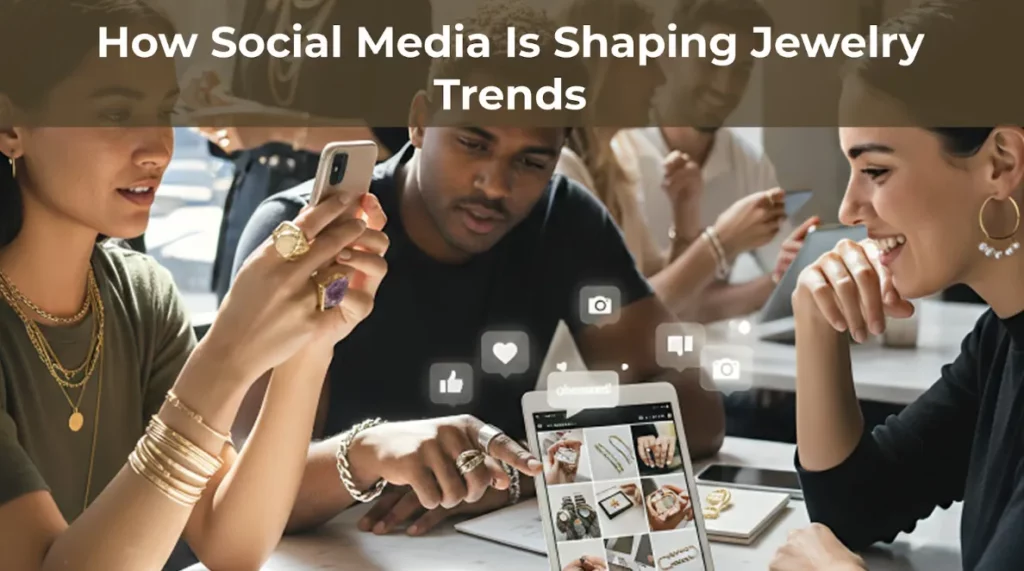
How the Trend Cycle Has Accelerated
Social media compresses the jewelry trend cycle into four tight stages:
Discovery: A creator, celebrity, or brand features a distinct piece, styling trick, or material.
Amplification: Influencers, micro-creators, and regular users copy the look and tag it with the same sounds and hashtags.
Saturation: Feeds fill with similar designs, and brands rush to release comparable pieces.
Evolution: The audience moves on to a variation of metal, stone, or styling angle.
This rapid loop explains why minimal choker chains, layered pendants, Y-necklaces, and chunky hoop earrings can each “take over” feeds in quick succession rather than one dominating for years.
Platform Power: Where Jewelry Trends Are Born
Each social platform shapes jewelry trends in a different way. The algorithms, content formats, and user expectations all influence which pieces go viral and why.
A solid strategy treats platforms like complementary channels rather than replicas. The same jewelry trend can live as an aesthetic photo set on Instagram, a quick styling tip on TikTok, a mood board on Pinterest, and a deep-dive review on YouTube.
Instagram: The Polished Jewelry Showcase
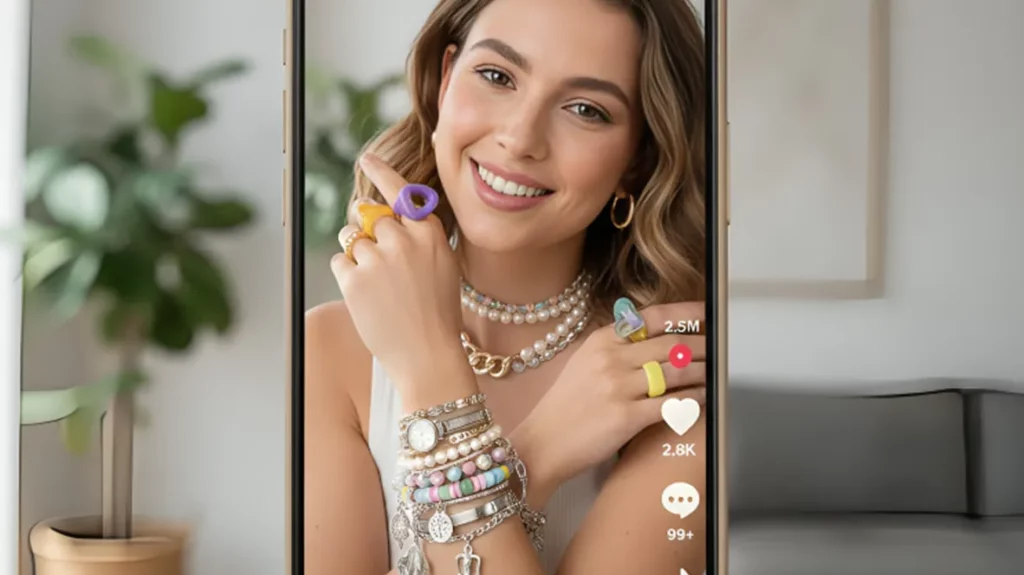
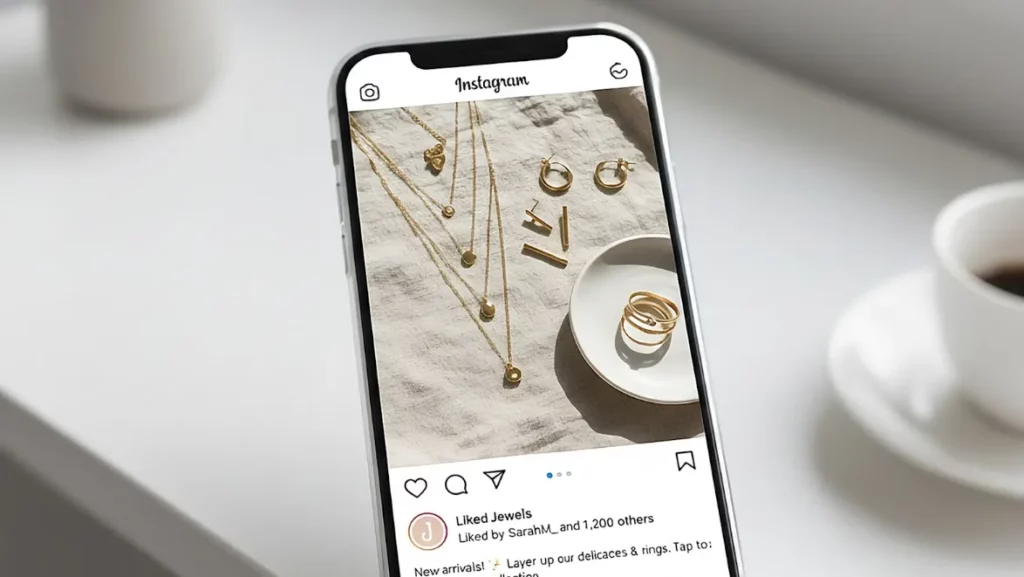
Instagram remains the main stage for polished jewelry imagery and brand storytelling. High-quality photos, Reels, and carousels push pieces that are:
Highly photogenic (sparkle, contrast, texture)
Easy to recognize in a thumbnail (bold silhouettes, signature shapes)
Versatile enough for multiple outfits and angles
Popular Instagram-driven trends include:
Layered necklaces: mixing chains, pendants, and chokers at different lengths
Stacking rings: delicate bands combined with one statement piece
Minimalist pieces: thin gold chains, small huggie hoops, and bar studs
Brands that want more people to actually see these posts often look at social media growth services to build critical mass. When a jewelry label wants higher visibility for Instagram content that showcases a new collection, working with targeted Instagram followers or engagement services can amplify reach and help a trend seed faster among style-conscious audiences.
TikTok: The Viral Jewelry Accelerator
TikTok is where jewelry trends explode quickly. The short-video format paired with sound-based discovery encourages fast, repeatable looks that users can copy at home.
TikTok pushes trends such as:
Charm bracelets that tell a personal story
Pearl and bead chokers styled with streetwear
Colorful resin rings and Y2K-inspired accessories
Stacking watches and bracelets for “wrist candy” shots
Because the algorithm favors content that keeps people watching, jewelry that moves, sparkles, or transforms on camera does particularly well. Quick “before/after” transitions, “get ready with me” videos, and “outfit check” clips give jewelry a starring role.
Brands running campaigns here often rely on strong ad setups. When a label wants to test multiple creative angles or scale winning videos, TikTok agency ad accounts help them run higher-budget, better-optimized campaigns without risking their main business account.
Pinterest: The Long-Game Trend Engine
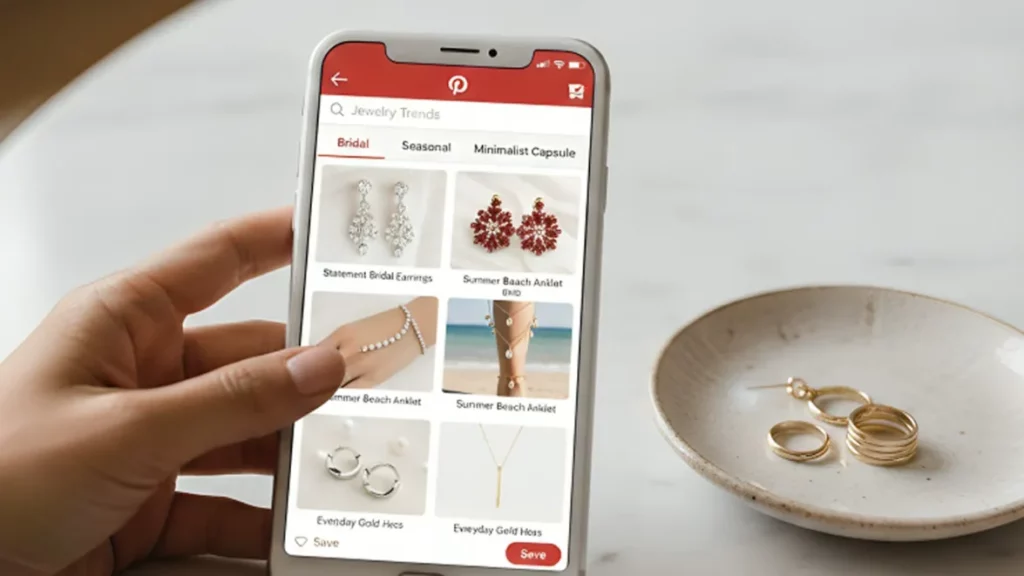
Pinterest works differently from Instagram and TikTok because it behaves more like a visual search engine. Users arrive with intent planning weddings, holidays, or style upgrades, then save jewelry ideas over time.
Pinterest shapes:
Bridal jewelry trends (statement earrings, delicate tennis bracelets, hair accessories)
Seasonal looks (festive earrings, summer anklets, layered bracelets for vacation)
Minimalist and capsule jewelry wardrobes
Trends here move more slowly but last longer. A well-optimized pin for “minimalist gold engagement ring” or “vintage-inspired diamond pendant” can send traffic for months or years, helping certain styles become quiet staples rather than fleeting bursts.
YouTube: Deep-Dive Reviews and Tutorials
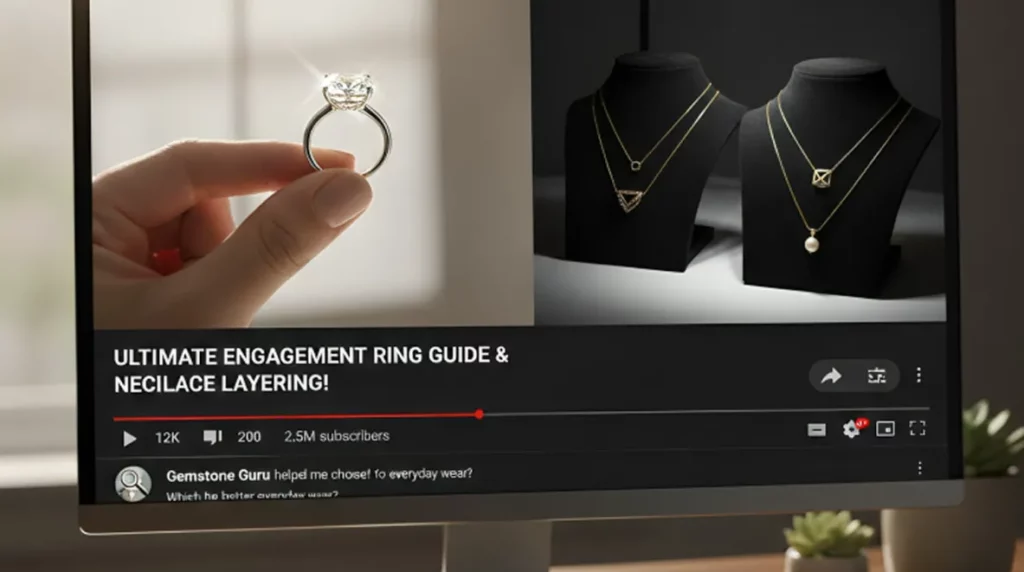
YouTube plays a different role: it nurtures long-term trust around jewelry. People searching “moissanite vs diamond, “best engagement ring settings, or “how to clean jewelry” often land on creators who:
Review specific brands and collections
Compare materials and price points
Show how pieces look in different lighting
Teach styling combinations for different outfits
Jewelry creators who want to be taken seriously often invest in their channel identity. Picking a relevant channel name and brand is easier with focused resources on YouTube channel strategies. That kind of resource helps creators sound professional and niche-focused from day one.
The Influencer Effect: Trust, Authenticity, and Sales
Influencer marketing is central to how social media is shaping jewelry trends. Consumers no longer rely only on glossy campaigns; they watch people they trust wear and style pieces in everyday life.
The result: a combination of trust, repetition, and relatability accelerates adoption. An everyday outfit featuring a subtle pendant can drive more interest than a studio campaign if it feels achievable.
Mega, Macro, Micro, and Nano Influencers
Not all influencers operate on the same scale:
Mega influencers (1M+ followers): drive broad awareness but can feel distant.
Macro influencers (100K–1M): offer focused reach plus strong credibility.
Micro influencers (10K–100K): often generate the highest engagement in niche communities.
Nano influencers (1K–10K): resonate deeply with local or tight-knit audiences.
For jewelry brands, micro and nano creators are especially powerful. They cater to specific aesthetics, minimalist, edgy, boho, hip-hop, that draw followers with similar preferences, so any featured jewelry naturally fits those styles. Many newer influencers looking to grow their reach explore options like baguette chains to showcase trendy, eye-catching pieces that resonate with their audience.
Collaborations, Drops, and Authentic Storytelling
Influencers shape trends through:
Signature collections: co-designed capsules that reflect an influencer’s signature style.
Limited drops: time-limited releases that create urgency and hype.
Behind-the-scenes content: showing design input, prototype testing, and unboxing.
To make collaborations credible, influencers need clear profile messaging that explains who they are and what they stand for. Strong profiles help them land better jewelry partnerships.
Micro-Trends and Viral Jewelry Moments
One of the clearest ways social media is shaping jewelry trends is the rise of micro-trends, short-lived but intense bursts of popularity. These often start from:
A single viral TikTok sound
A celebrity outfit on Instagram
A themed challenge (e.g., color-based, aesthetic-based, or era-based)
Micro-trends might last weeks instead of seasons, but they can move huge volumes of affordable jewelry in a short time.
Real-World Micro-Trend Patterns
Common micro-trend patterns include:
Theme-based pieces: zodiac necklaces, birthstone rings, evil eye charms.
Aesthetic-driven choices: balletcore ribbons and delicate pieces, old-money pearls, streetwear-heavy chains.
“Dupe” culture: affordable versions of high-end pieces worn by celebrities and influencers.
Hip-hop and streetwear culture have been especially influential on social media jewelry trends. Pieces like Cuban link chains and iced-out tennis chains are now standard in music videos, influencer outfits, and everyday styling content.
When someone sees a rapper or influencer wearing a bold Moissanite chain, iced-out jewelry pieces have become signature elements in hip-hop fashion, with diamond-set chains and pendants defining modern streetwear aesthetics.
How Social Media Is Changing Jewelry Shopping Behavior
Social media is not just affecting what people like; it also changes how they shop. The path from spotting a trend to purchasing a piece is shorter, more visual, and more emotional.
Consumers now expect to:
See jewelry styled on real people
Get instant access to product pages from posts or videos
Read social proof in comments, saves, and shares
Watch authentic reviews before buying higher-ticket items
Social Commerce: From Inspiration to Checkout
Features like Instagram Shopping, TikTok Shop, and Pinterest Product Pins compress the journey from discovery to purchase:
Someone sees a piece in a Reel, TikTok, or pin.
They tap a product tag or link.
They skim reviews and user photos.
They buy directly without leaving the app (or with one quick click to the brand site).
Brands that want to convert this attention into revenue need their own sites optimized for search and conversion. While social traffic is powerful, combining it with robust SEO services builds long-term visibility for terms like “moissanite engagement ring” or “gold Cuban chain.”
Personalization, Identity, and Self-Expression
One of the biggest shifts is the move from uniform trends to personal style. Instead of asking, “What’s in fashion this season?” many people now ask, “What fits my identity and lifestyle?”
This shows up in:
Custom name necklaces and monogram pendants
Birthstone or zodiac-based jewelry
Layered combinations that no two people wear the same way
Mixes of fine jewelry with fashion pieces
On social media, this personalization invites storytelling. A custom name pendant or meaningful charm becomes a way to explain values, memories, or milestones. Brands offering custom name pendants and personalized pieces align naturally with this shift toward self-expression.
Sustainability and Ethical Jewelry in the Social Era
Social media also amplifies values, not just aesthetics. Consumers now ask where metals are sourced, whether diamonds are mined or lab-grown, and how brands treat workers and the environment.
This creates a powerful feedback loop:
Users share posts about ethical concerns in mining.
Conscious consumers promote brands that prioritize sustainability.
Brands showcase recycled metals, lab-grown stones, and ethical sourcing.
Moissanite and Other Ethical Alternatives
One of the biggest beneficiaries of this conversation is moissanite. On many platforms, creators highlight:
The visual similarity between moissanite and diamonds
The lower price point for similar sparkle
The perceived ethical advantages of lab-created stones
Videos comparing diamond vs moissanite engagement rings have millions of views. For consumers who want luxury aesthetics without traditional mining concerns, moissanite jewelry collections offer a compelling option. When those pieces also tap into social media-friendly designs, iced-out chains, bold pendants, or minimal engagement rings, they ride both ethical and aesthetic waves.
Design Innovation Fueled by Real-Time Feedback
Designers now get near-instant feedback on new designs. Instead of waiting for a season of sales data, they can see:
How many saves a piece gets on Instagram
Whether styling videos perform better with one metal or another
Which combinations of stones and settings generate the most comments
This real-time response pushes designers to iterate quickly. Social media is shaping jewelry trends not only by promoting finished products but by guiding the design process itself.
Cross-Disciplinary Inspiration
Because feeds mix art, interior design, architecture, and fashion, jewelry designers increasingly draw inspiration from:
Graphic design: geometric forms, typography, sharp contrasts
Interior trends: curved lines, organic textures, “soft” minimalist palettes
Streetwear: bold logos, oversized proportions, metal-heavy silhouettes
The result is a constant blend of influences, Art Deco revival one month, futuristic sculptural forms the next, then a soft return to organic, irregular shapes.
Marketing Strategies for Jewelry Brands in the Social Era
To thrive in this environment, brands need more than nice product photos. Strategy matters: which platforms to prioritize, how to measure success, and how to balance virality with brand consistency.
Social media can send spikes of traffic, but sustainable growth usually comes from combining:
Consistent posting and storytelling
Influencer and creator collaborations
Paid campaigns on key platforms
SEO and content optimization for search
Content and Collaboration Playbook
Jewelry brands that perform well typically:
Use short-form video (Reels, TikToks) for styling shows and “how it shines” clips
Mix polished content with behind-the-scenes footage
Encourage user-generated content with hashtags and reposts
Run mini-campaigns around seasons, holidays, and life events
As brands scale, ad management becomes more complex. Working with dedicated TikTok agency ad accounts for jewelry campaigns makes it easier to manage higher budgets, multiple creatives, and different audience segments.
At the same time, no brand should rely solely on social algorithms. Investing in SEO services for jewelry ecommerce helps capture long-term search demand and protect the business from algorithm shifts.
Building Authority Beyond Social: Links and Search
Strong search performance reinforces social presence. If people see a brand on Instagram, then later Google the brand name or product type, the site must appear prominently.
That is where off-page SEO matters:
Quality backlinks from fashion and lifestyle publishers
Guest posts that feature jewelry styling guides
Editorial mentions in relevant blogs and magazines
Platforms like a backlink marketplace with vetted publishers give brands a way to plan and track link acquisition. Combined with social buzz, this raises domain authority and ensures that when a trend spikes, search visibility is ready to catch additional demand.
Future Tech: AR, 3D, and the Next Wave of Jewelry Trends
Social media is shaping jewelry trends today, but emerging technology will intensify this influence. The next few years will blend physical and digital jewelry experiences more tightly.
Brands are already experimenting with:
Augmented reality try-ons that let users “wear” earrings, necklaces, or rings in real time
3D-printed prototypes that speed up testing new designs
Live shopping events where viewers can comment, ask questions, and buy instantly
Balancing Innovation and Timelessness
Even as AR filters and digital-only jewelry collections grow, core principles remain the same:
People want jewelry that feels personal.
They rely on visual proof to assess quality and style.
They trust recommendations from people and brands that feel authentic.
Social media just magnifies each of these factors from the first glimpse of a ring in a TikTok to the final tap on a “Buy Now” button.
Practical Takeaways for Brands and Buyers
Social media is shaping jewelry trends at every stage: design, discovery, demand, and purchase. For brands, the challenge is to stay agile without becoming reactive to every micro-trend. For consumers, the opportunity is to use social platforms as inspiration, then filter trends through personal style, values, and budget.
Jewelry has always been about identity, memory, and meaning. Social media has not changed that core truth; it has simply given everyone a louder, brighter, and faster way to show what those meanings look like in metal and stone.