


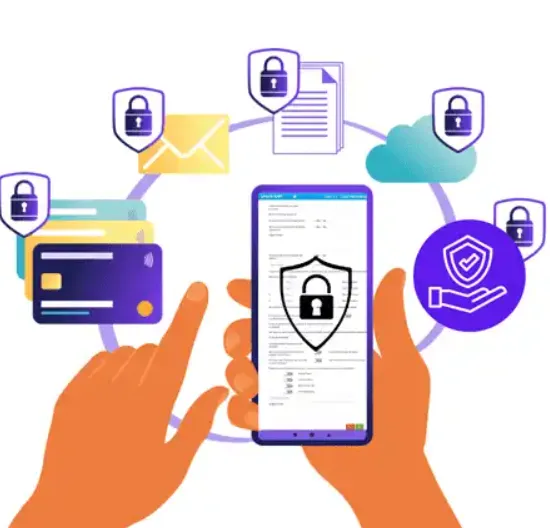
The first impression of a clinic on a patient is no longer built at the reception zone, but rather from the moment a patient books an appointment in the rapidly changing modern digital world. As medicine goes digital, clinics must stay current with technologies that can enhance operations and improve the patient experience. Digital patient intake is one such novelty that is generating a lot of buzz. Well beyond eliminating paperwork, intake workflows are revolutionising the relationship between the clinic and their patients, as well as preparing them to serve patients with greater efficiency and effectiveness.
This article investigates and examines trends in digital patient health for clinics and why, highlighting the need for a personalised system.
The Traditional Intake Bottleneck
Clinics operated on form-based systems on paper, which patients completed in waiting rooms in the past decades. Few, and even today, some of them are still performing various kinds of balancing with insurance cards, IDs, and their health issues. The approach is not only wasteful in time, but it is faulty as well. The patient can hurry through the paper routine, overlook the pills, or simply fail to recognise an illegible layout.
The result? Patients became frustrated due to a lack of information, waiting for pointless meetings, and feeling stressed at the desk.
What Is Digital Patient Intake?
Digital patient intake is the practice of completing the patient intake form via electronic forms and systems, through which patients can submit their details, consent forms, and insurance information typically during the actual visit. These types of forms can be accessed through mobile phones, tablets, or computers, allowing patients to complete them from the comfort of their own homes, increasing convenience.
Why It Matters in Modern Healthcare
Digital intake is more than a convenience. It’s a strategic tool that streamlines workflows, enhances patient engagement, and boosts the clinic’s operational performance.
1. Fewer Errors and More Complete Data
When patients fill out forms online at their own pace, they are more likely to provide thorough and accurate information. It reduces the risk of data entry mistakes by clinic staff and improves the quality of care from the start.
2. Shorter Wait Times and Happier Patients
Digital forms speed up the check-in process. Patients no longer have to arrive 20 minutes early to fill out paperwork, and front-desk staff are no longer stuck entering data manually. This efficiency creates a smoother, less stressful clinic visit.
3. Better Staff Productivity
When digital tools take over repetitive administrative tasks, front-desk teams can focus on patient service, not paperwork. It increases team morale and reduces burnout.
4. Stronger First Impressions
Modern patients — especially millennials and Gen Z — expect digital convenience. Offering a seamless intake experience reflects positively on your clinic and shows that you prioritise patient comfort and innovation.
How Digital Intake Helps With Compliance and Documentation
Regulatory compliance is a primary concern in the healthcare industry. HIPAA regulations require accurate documentation, secure data storage, and proper handling of patient consent. Digital forms with built-in encryption and audit trails make it easier to facilitate requirements while minimising paperwork.
Additionally, updated in real-time to reflect changes or new services. No need to reprint and redistribute — saving time and trees.
Customizing Digital Intake for Different Specialties
One size does not fit all in healthcare. A dermatologist, a cardiologist, and a physiotherapist have vastly different patient needs. The beauty of digital patient intake systems is their customizability.
Clinics can design speciality-specific programs that include symptom checklists, consent requirements, and other relevant elements. For example, a mental health clinic may include PHQ-9 screening tools, while a podiatry clinic might ask about footwear and foot pain history.
Reintegration With EMR Systems
Perhaps the most powerful aspect of digital intake is its ability to integrate seamlessly with EMR systems. Once the patient submits their forms, the data flows directly is their EMR profile, eliminating the need for manual input.
This note-taking saves time and ensures that doctors have access to updated patient information before the visit starts, leading to better diagnosis and care planning.
Enabling Contactless Check-In and Safety
Since the COVID-19 pandemic, there has been a greater focus on emphasisy and contactless workflows. Digital intake plays a crucial role here by sin this contextrtinfacilitatingcheck-ins, minimizinreducing interactions, and ensuring safer environments for both patients and staff.
Patients can scan a QR code upon arrival or check in via text, eliminating the need to touch a terminal or kiosk. This contactless system enhances safety and supports infection control protocols.
Improved Patient Communication and Education
Many digital intake platforms offer the ability to include educational resources within the forms, empowering patients to learn more about their conditions, medications, or treatment plans even before stepping into the clinic.
Additionally, the ability to collect questions or concerns ahead of time allows providers to better prepare for appointments and address patient needs proactively.
The ROI of Digital Patient Intake
Implementing a digital intake system may seem like an investment upfront, but it delivers measurable returns:
- Lower admin costs through reduced paper usage and manual entry
- Fewer no-shows via automated reminders
- Higher patient satisfaction leads to better reviews and loyalty.
- Faster throughput allows clinics to serve more patients each day.
These benefits compound over time, making digital intake a wise investment for any clinic seeking sustainable growth.
Tips for Implementing a Digital Intake System
- Choose a platform with a mobile-first design – Many patients prefer using smartphones.
- Ensure HIPAA compliance – Data security is a must.
- Allow form customisation – Tailor to your clinic’s speciality.
- Provide technical support – Offer help toand savvy patients who areh-savvy patientsnd iterate. Start small and refine the workflow based on patient feedback.
Conclusion
The shift from paper to digital intake is not just a trend — it’s a strategic move toward a more efficient, patient-centric clinic model. By adopting digital patient intake workflows, healthcare providers can create better first impressions, improve accuracy, and offer safer, smoother experiences for their patients.
As technology continues to evolve, clinics that adopt digital solutions, such as patient information platforms, will be better equipped to thrive in a competitive healthcare landscape.