


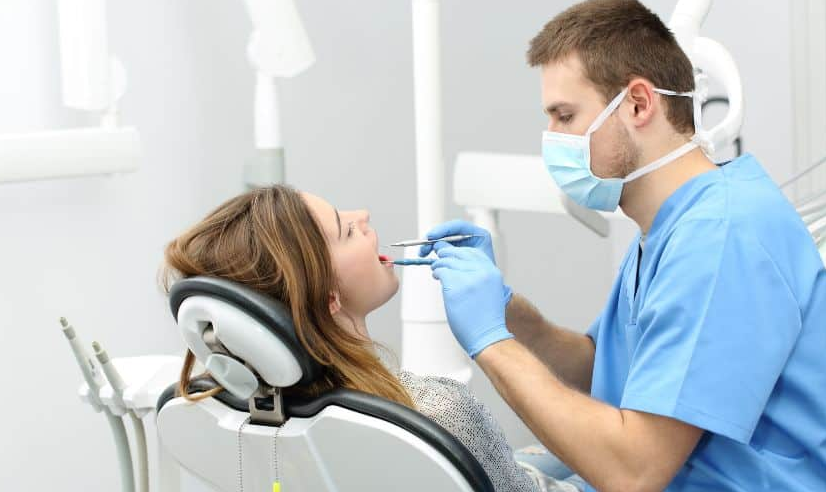
You might be feeling a quiet worry in the back of your mind every time your child says their tooth hurts, or every time you look at the calendar and realize it has been years since your own last cleaning. Life is busy, kids are resistant, budgets are tight, and somehow “find a good dentist” keeps slipping to the bottom of the list. Yet you also know that ignoring it will not make it go away. It just adds another layer of stress. Visit suncreekdental.com to take the next step toward easing that worry.
Family dental care does not have to be confusing or scary. When you understand what really matters, how often to go, what you can handle at home, and when you truly need professional help, decisions start to feel lighter. You can protect your family’s teeth, avoid a lot of pain and expense, and still keep your sanity.
Here is the short version. Good family dental care rests on three pillars. Daily habits at home. Regular checkups and cleanings. Quick action when something feels off. Once you have those three in place, you are already doing more than most families, and you are setting your children up for a lifetime of easier dental visits and fewer emergencies.
Why Does Family Dental Care Feel So Overwhelming Right Now?
Maybe it started with a small cavity in your child’s tooth that turned into a root canal, or a late-night Google search about bleeding gums that left you more confused than when you began. You might be caught between guilt over what you “should” have done and frustration that every answer seems complicated or expensive.
This tension is very common. Dental problems can feel personal. You might wonder if you failed your child by not enforcing brushing, or if your own dental fear is rubbing off on them. At the same time, costs are real. A simple filling is one thing. A crown or orthodontic work can feel like a financial earthquake.
So where does that leave you? Usually stuck in a pattern. You avoid appointments because you are afraid of bad news or big bills. Small issues grow quietly. Then one day there is pain, or swelling, or a broken tooth, and you end up at an emergency visit that costs more and feels worse than a routine checkup ever would.
There is also a lot of misinformation. One person says “baby teeth don’t matter, they fall out anyway.” Another swears that natural remedies alone can “heal” cavities. You might hear that every child needs fluoride, while someone else tells you fluoride is dangerous. No wonder it feels impossible to know what to trust.
Here is the truth. Baby teeth do matter. They hold space for adult teeth, help with speech and chewing, and infections in baby teeth can spread and become serious. Fluoride, when used correctly, has strong evidence behind it for preventing cavities. You can see this echoed in resources from public health experts such as the Centers for Disease Control and Prevention.
Underneath all the noise, modern family dentistry has one clear goal. Keep teeth and gums healthy with the least amount of invasive work possible. That means preventing problems where you can, and catching them early when you cannot.
What Are The Biggest Dental Risks For Your Family And Can You Really Prevent Them?
Think about three common scenarios. A teenager sipping sugary drinks and energy drinks most days. A younger child who still falls asleep with a bottle or sippy cup. An adult who brushes twice a day but never flosses and avoids the dentist due to fear or cost. Each of these situations may feel harmless in the moment. Over time they create the same outcome. Cavities, gum disease, and sometimes tooth loss.
Cavities are not just about sugar. They are about how often teeth are exposed to sugar and acid, how well plaque is removed, and the strength of the enamel. Frequent snacking, sticky foods, and sipping sweet drinks during the day keep the mouth in a state that favors decay. In children, this can show up as white spots near the gumline, sensitivity, or visible pits in the teeth. In adults, it can mean broken fillings, pain when biting, or sharp edges that cut the tongue.
Gum disease works more quietly. Gums may bleed a little when brushing. Breath might not feel fresh. Over time, untreated gum inflammation can damage the bone that supports teeth. This does not only affect the mouth. Research shows links between gum disease and conditions such as diabetes and heart disease. If you want a deeper look at how oral health connects to overall health, the MouthHealthy resource from the American Dental Association is a good place to explore.
So how much of this can you really prevent? Quite a lot. Daily brushing with fluoride toothpaste, flossing, and regular professional cleanings dramatically lower the risk of both cavities and gum disease. Sealants on children’s permanent molars can cut cavity risk in those teeth. Fluoride treatments harden enamel. Small lifestyle changes, like keeping sugary drinks to mealtimes instead of all day, make a real difference.
At the same time, prevention does not mean perfection. There will still be the occasional cavity or chipped tooth. The goal of strong family dentistry is not to never need treatment. It is to avoid emergencies, reduce pain, and keep any necessary work as simple and affordable as possible.
Home Care Versus Professional Dental Visits: What Really Matters?
You might be wondering how to balance what you can do on your own with what only a dentist can do. The truth is, you need both. Home care is your daily defense. Professional care is your safety net and early warning system.
The table below compares common home efforts with professional care so you can see where each fits.
| Aspect | Home Care (DIY) | Professional Family Dental Care |
|---|---|---|
| What it includes | Brushing, flossing, mouthwash, diet choices | Checkups, cleanings, X-rays, fillings, sealants, fluoride, orthodontic and other treatments |
| Strengths | Low cost, daily control, builds good habits in children | Finds hidden problems, removes hardened tartar, provides expert diagnosis and treatment |
| Limitations | Cannot see between teeth or under gums, cannot treat existing decay or infection | Requires time and money, may trigger anxiety if past experiences were painful |
| What happens if skipped | Higher risk of cavities and gum disease even with regular dental visits | Small issues become large, painful, and more expensive to fix |
| Best use | Daily prevention and teaching kids lifelong habits | Regular monitoring, early treatment, and planning for long term health |
As you can see, this is not an “either or” choice. You can brush perfectly and still have a cavity form between teeth that only an X-ray would catch. You can also go to the dentist faithfully, but if home habits are poor, you will still battle decay.
If you like clear, science based details on specific conditions, such as cavities, gum disease, or dry mouth, the National Institute of Dental and Craniofacial Research offers straightforward guides you can read and share with your family.
Three Practical Steps You Can Take For Better Family Dental Care Today
You do not need to overhaul your entire life to protect your family’s teeth. Start with a few high impact actions that are realistic for your home.
1. Create a simple, non-negotiable brushing routine
Choose two set times each day, usually morning and night, and treat brushing like seatbelts. It is not optional. For children, use a timer or a two minute song. For adults, focus on technique. Small circular motions, gentle pressure, and covering all surfaces. Use fluoride toothpaste for anyone who can reliably spit it out. For younger children, use a tiny smear the size of a grain of rice. For older children and adults, use a pea sized amount.
Make it easy to succeed. Keep brushes and paste within reach. Have extra supplies on hand. If you are exhausted at night, consider brushing right after dinner so it is done before the bedtime chaos starts.
2. Schedule and protect regular checkups
If it has been more than a year since your family’s last visit, pick up the phone and schedule appointments within the next three months. Put them on the calendar and treat them with the same respect you would give a school event or work meeting.
Tell the dental office if you or your child is anxious. A good family dentist will slow down, explain what is happening, and use small adjustments to make the visit easier. If cost is a concern, ask about payment plans, discount programs, or community clinics. Routine care still costs far less than emergency treatment or advanced disease.
For most families, twice a year checkups work well. Some people with a history of gum disease or high cavity risk may need more frequent visits. Your dentist can guide you based on your specific situation.
3. Make small food and drink changes that protect teeth
You do not need a perfect diet to protect your family’s smiles. Focus on frequency and form. Try to keep sugary foods and drinks with meals instead of spread throughout the day. Offer water between meals. Save juice, soda, or sweetened coffee for occasional treats, not constant sipping.
Sticky snacks like gummies, dried fruit, and chewy candies cling to teeth and feed cavity causing bacteria longer. If your family enjoys them, have them with a meal instead of as solo snacks, and encourage brushing or at least rinsing with water afterward.
Simple additions like cheese, nuts, crunchy vegetables, and plain yogurt can help neutralize acids and support a healthier mouth environment.
Where Do You Go From Here With Your Family’s Dental Health?
You do not have to fix everything overnight. You also do not need to know every technical detail about dentistry to make good decisions. Your role is to create a basic structure that supports healthy mouths. A steady brushing routine, a pattern of regular checkups, and a few thoughtful food choices. With that in place, your family dental team can handle the rest.
If you feel behind, remember that many families are starting from the same place. What matters is not what you did last year. It is the small, consistent steps you start taking now. Choose one habit to improve at home, call to schedule needed appointments, and give yourself credit for taking care of something that will spare your family a lot of future pain and worry.
Your family’s smiles are worth that effort, and you do not have to do it perfectly. You just have to begin.