


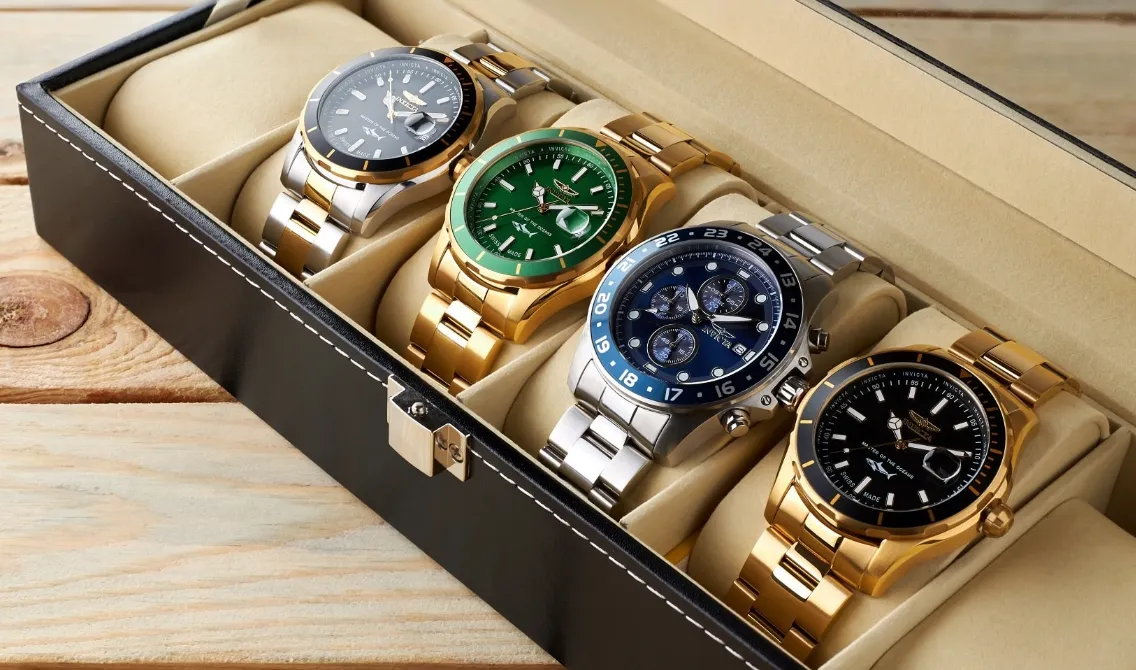
The global pre-owned watch market is estimated to be worth over $22 billion, and it’s growing faster than the primary retail market. That’s not a coincidence. More people than ever are discovering that watches aren’t just timekeepers — they’re portable history, wearable engineering, and in many cases, a genuine store of value.
But getting started can feel overwhelming. The terminology is dense, the prices vary wildly, and the counterfeiting problem is very real. A first-time buyer who doesn’t know what to look for can easily overpay, get misled about condition, or end up with a piece that holds no resale value whatsoever.
This guide is for anyone who’s curious about watch collecting but hasn’t quite taken the leap yet. It won’t tell you which watch to buy. It will help you understand how to think about the purchase, what actually matters, and how to avoid the mistakes that most beginners make.
Start With What You Actually Want to Wear
The biggest mistake new collectors make is buying based on what they think they should want rather than what genuinely appeals to them. A watch that sits in a drawer is never a good investment, regardless of the reference number.
Before looking at price tags or resale charts, ask yourself a few practical questions:
- Dress or sport? Are you reaching for a watch in a boardroom or on the weekend? Daily wear vs. occasional use changes everything about the right choice.
- Size preference? Case diameter and lug-to-lug distance have a dramatic effect on how a watch wears on the wrist. What looks clean in a photo can feel awkward in person.
- Bracelet or strap? Integrated bracelets like those on the Audemars Piguet Royal Oak are part of the design DNA. Swapping them out defeats the point. Knowing whether you prefer that locked-in look or the flexibility of a strap watch matters early on.
- Complication or simplicity? A three-hand watch with a date is often the most practical first piece. Chronographs, perpetual calendars, and tourbillons are beautiful but add complexity and servicing cost.
Let genuine preference lead. The collectors who end up with meaningful collections — rather than just expensive ones — are usually the ones who bought what they loved.
Understand the Brands Before You Chase References
Once you have a sense of style, it’s worth spending real time understanding the major houses before fixating on a specific model. Each brand has a philosophy, a heritage, and a place in the market hierarchy. That context changes how you evaluate pieces.
Rolex
Rolex is the entry point for most new collectors, and for good reason. The pieces are robust, hold value exceptionally well, and the brand is universally recognised. Specific references like the Rolex Daytona have a following that transcends the watch world entirely — they sit at the intersection of motorsport heritage, design, and secondary market scarcity. Browsing available Rolex inventory across reputable dealers will give you a feel for how pricing varies by reference, condition, and whether box and papers are included.
Patek Philippe
Patek is widely considered the pinnacle of Swiss watchmaking among serious collectors. The brand’s in-house movements, finishing standards, and historical archives are genuinely unmatched. The Patek Philippe Nautilus, designed by Gerald Genta in 1976, has become one of the most coveted sport watches ever made — with pre-owned prices that reflect that status. For those interested in exploring the full depth of what the brand offers, browsing pre-owned Patek Philippe timepieces reveals a range that spans dress watches, complications, and complicated dress watches, all of which hold long-term collector interest.
Audemars Piguet
AP’s Royal Oak changed what a luxury sports watch could look like when it launched in 1972. The brand sits alongside Patek and Rolex in terms of prestige, but with a distinctly bolder aesthetic. Audemars Piguet pieces tend to attract collectors who want something with a stronger visual statement.
Richard Mille
For collectors drawn to contemporary haute horlogerie and ultra-lightweight, high-engineering pieces, Richard Mille occupies a unique space. The brand launched only in 2001 but commands prices that rival brands with centuries of history. RM pieces are not for everyone — they’re loud, technical, and extremely expensive — but they have a dedicated following among collectors who prioritise innovation over tradition.
New vs. Pre-Owned: The Case for the Secondary Market
Most desirable references from Rolex, Patek, and AP are essentially unavailable at authorised dealers. The allocation system means waitlists of years for certain pieces, and many dealers prioritise longstanding client relationships. The pre-owned market exists, in large part, because of this supply gap.
Buying pre-owned has real advantages beyond access:
- Price transparency: Secondary market pricing is driven by actual demand, not suggested retail. You can benchmark prices across multiple platforms before committing.
- Immediate availability: No waitlists, no relationship-building with an AD. If you find the piece in the right condition, you can own it.
- Depreciation already taken: Some pre-owned watches have already absorbed the initial drop in value that new pieces experience. Others, particularly the references mentioned above, have actually appreciated.
The trade-off is authenticity risk. Counterfeiting in the luxury watch space is sophisticated and widespread. A convincing fake can fool someone who doesn’t know what to look for, especially when purchased online. This is why buying from authenticated, reputable dealers — like Wrist Aficionado — matters more than finding the lowest price on a peer-to-peer platform.
Learn to Read Condition Honestly
Condition is everything in watch collecting, but it’s also one of the most misrepresented aspects of pre-owned listings. Learn the vocabulary so you can evaluate what you’re actually looking at.
Case and bracelet wear: Polishing removes metal and softens sharp edges that are part of the original design. A heavily polished Royal Oak or Nautilus loses some of what makes those watches visually distinctive. Collectors often prefer “honest” wear to over-polished surfaces.
Dial originality: The dial is the face of the watch, and originality matters enormously. Refinished dials, repainted indexes, or replaced hands can significantly impact both value and collector interest.
Box and papers: Having the original box, papers (warranty card), and service records doesn’t prove authenticity on its own, but it adds to the picture. Watches described as “complete” command a meaningful premium for good reason.
Service history: For older pieces, knowing when a watch was last serviced and by whom matters. A movement that hasn’t been serviced in 20 years may need work before it’s reliable. Factor that cost in when evaluating price.
A Blog to Watch and Hodinkee are both excellent resources for building this kind of vocabulary — they’ve been documenting the watch world in depth for years and are worth reading regularly as a new collector.
Women’s Watches: An Underrated Entry Point
The conversation around watch collecting has historically centred on men’s pieces, but the market for women’s luxury watches is genuinely significant and, in some cases, offers better value for collectors just starting out.
Many women’s references from Rolex, Patek, and other houses carry identical movements and comparable craftsmanship to their men’s counterparts, but with less secondary market competition. Smaller case sizes have also become increasingly popular across all buyer demographics, making historically “ladies” pieces appealing to a broader audience.
If you’re buying as a gift or collecting for a female partner, this category deserves serious research rather than being treated as an afterthought.
The Authentication Question: Why It Matters So Much
A report from the OECD estimated that counterfeit goods account for around 2.5% of global trade. In luxury watches, the problem is concentrated and sophisticated. High-quality replicas of Rolex Submariner, Daytona, and Patek Nautilus models are produced in volume and sold through channels that are designed to appear legitimate.
For a new collector, the safest approach is simple: buy from a dealer who authenticates every piece and stands behind that authentication with a clear policy. The cost savings from a private sale or grey-market listing are not worth the risk of acquiring a fake at five-figure prices.
When evaluating a dealer, look for:
- Transparent authentication processes (not just a badge or claim)
- Physical locations or established reputations in the collector community
- Clear return and dispute policies
- Press coverage from credible watch and luxury lifestyle publications
Building a Collection With Purpose
The most satisfying collections are usually the ones with a point of view. That doesn’t mean they’re themed rigidly — it just means the collector made deliberate choices rather than accumulating randomly.
Some frameworks that work well for new collectors:
- One brand deep: Focus on a single house and explore its references over time. You’ll develop genuine expertise quickly.
- One era: Vintage collecting (roughly pre-1990) has its own logic, pricing dynamics, and community. It’s rewarding but requires more technical knowledge upfront.
- Complication progression: Start with a three-hander, move to a chronograph, then a GMT, then a perpetual calendar. Learn each type before moving to the next.
- Wear everything: Resist the instinct to keep pieces in a safe. A collection that gets worn is one that actually means something.
Key Takeaways
- Buy what you genuinely love to wear — aesthetic preference should lead every purchase decision, especially early on
- Understand the brand philosophy before chasing a specific reference; context changes how you evaluate value
- The pre-owned market exists largely because of authorised dealer scarcity, and it offers real advantages in terms of price transparency and access
- Condition, dial originality, and box-and-papers status all affect both value and collector desirability significantly
- Authentication is non-negotiable; the savings from unverified channels are never worth the counterfeit risk at this price level
Frequently Asked Questions
How much should I spend on my first watch? There’s no universal answer, but a practical range for a first serious piece is between $3,000 and $10,000. This gets you into genuine Swiss craftsmanship with reasonable resale liquidity, without the pressure that comes with six-figure purchases. Buy the best condition you can afford within your budget rather than a lesser condition of a more prestigious reference.
Is it better to buy from a dealer or privately? For most beginners, a reputable dealer is significantly safer. Private sales can offer better prices, but they transfer all authentication and condition risk to the buyer. Unless you have the expertise to evaluate a watch yourself or can bring someone who does, the dealer premium is worth paying.
Do watches actually hold their value? Some do, some don’t. Certain references from Rolex, Patek Philippe, and Audemars Piguet have historically retained or increased in value over time. However, fashion-driven brands, limited-edition novelties, and pieces from lesser-known houses can depreciate significantly. Research the specific reference rather than assuming the brand name alone guarantees value retention.
What does ‘complete set’ mean in watch listings? A complete set typically means the watch comes with its original box, the warranty card (often called ‘papers’), and sometimes additional accessories like extra straps or hangtags. Completeness affects resale value materially — sometimes by 10 to 20 percent or more for sought-after references.
Should I get a watch serviced when I buy it pre-owned? Not necessarily immediately. If the watch is running accurately and the dealer has recently inspected it, you may not need to act straight away. However, it’s worth having any pre-owned mechanical watch checked by a qualified watchmaker within a year of purchase. Service intervals for mechanical watches are typically every 5 to 10 years depending on the movement and usage.
A Final Thought
Watch collecting rewards patience more than almost anything else. The collectors who build genuinely meaningful collections didn’t do it by chasing hype or buying whatever was trending on forums. They learned the subject, developed a point of view, and made deliberate choices over time.
The best starting point is simple: pick up one piece you genuinely love, wear it, and let that experience inform what comes next.