


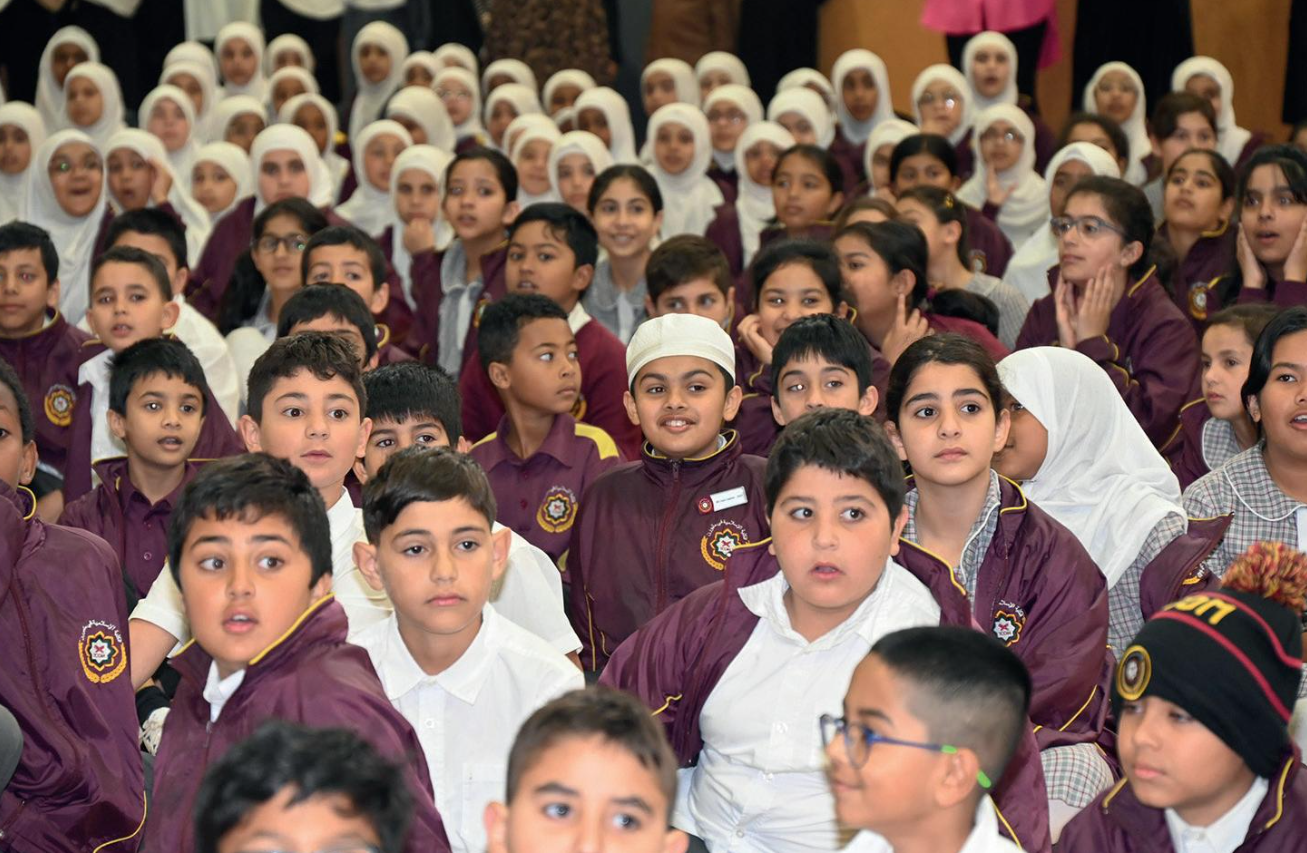
Getting the balance right between religious education, academic excellence, and genuine student wellbeing is honestly one of the hardest things for any faith-based school to pull off. The best islamic school in Melbourne manages this by treating these three elements as interconnected rather than competing priorities. Research from the Australian Council for Educational Research shows that student wellbeing directly impacts academic performance, and for Muslim students, religious identity development is often tied to both. When schools try to maximize one area at the expense of others, you see problems like burnout, students who excel academically but lack Islamic grounding, or kids who know their religious studies but can’t compete in mainstream academic settings. The schools that get it right use intentional scheduling, holistic support systems, and a culture that values each component equally.
Timetable Design and Daily Structure
The way a school structures its day tells you a lot about its priorities. Effective Islamic schools typically run longer hours than standard public schools, maybe 8:30 AM to 4:00 PM, to fit in both Victorian Curriculum requirements and Islamic studies without overwhelming students. Mornings often start with Quran recitation or Arabic, when students’ minds are freshest and most receptive. Core academic subjects like mathematics and English get prime time slots mid-morning. Islamic studies classes are distributed throughout the week rather than crammed into Friday afternoons when kids are mentally checked out. Some schools use a block schedule where certain subjects rotate to avoid monotony. Research on student attention spans and circadian rhythms supports this strategic approach to timetabling, showing that subject sequencing genuinely affects learning outcomes.
Pastoral Care and Islamic Identity Development
Student care goes way beyond having a school counselor available. The best schools create environments where kids feel safe expressing their Muslim identity while navigating the broader Australian context. This might include dedicated prayer spaces that students actually want to use, halal food options that don’t feel like an afterthought, and teachers trained to recognize when students face challenges related to their faith. Some Melbourne schools have mentorship programs pairing older students with younger ones, creating a sense of community. They also address issues like Islamophobia, helping students develop resilience and confidence in their identity. Studies on minority student experiences show that when schools actively support cultural and religious identity, students show better mental health outcomes and higher engagement.
Academic Rigor Without Compromise
There’s this misconception that Islamic schools are academically easier or less demanding. The top schools completely reject this. They maintain high expectations, offer advanced and extension programs, and prepare students for competitive university courses. Teachers use data to track student progress, intervene early when someone’s struggling, and differentiate instruction to meet diverse learning needs. Many Melbourne Islamic schools participate in academic competitions, science fairs, and debating championships, showing students they can excel while maintaining their Islamic identity. Research consistently demonstrates that high expectations combined with strong support systems produce the best academic outcomes. These schools prove you don’t have to choose between faith and academic excellence.
Extracurricular Balance and Character Building
After-school programs reveal a lot about what a school values. Beyond the usual sports and arts, Islamic schools often include Quran competitions, Arabic clubs, Islamic debate teams, and community service initiatives. These activities reinforce Islamic values like teamwork, perseverance, and service while developing practical skills. Some schools partner with local mosques or charities, giving students hands-on experience with community engagement. Physical education programs emphasize health and fitness as part of Islamic teaching about caring for one’s body. Studies on holistic education show that students involved in diverse extracurricular activities develop better time management, leadership skills, and overall life satisfaction. The best schools ensure these opportunities don’t become another source of stress but genuinely contribute to well-rounded development.