


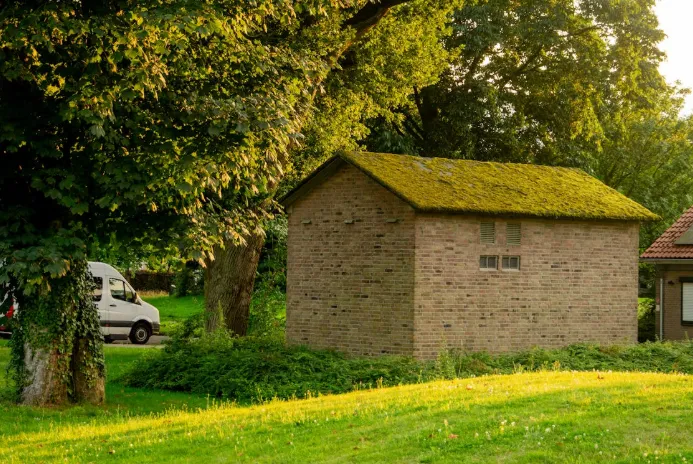
Not sure how to choose the right garden shed?
It’s a common problem. With so many materials, sizes, and styles to choose from, finding the perfect garden shed can seem like an impossible task. But don’t worry…
It doesn’t have to be that way. If you know the important factors to consider, the whole process becomes much simpler.
In this guide, you’ll learn:
- Why Garden Sheds Are Essential
- Materials: Wood, Metal, Or Plastic?
- Sizing Up Your Space
- Design Features That Actually Matter
Let’s get started.
Why Garden Sheds Are Essential
Garden sheds have become a lot more than just storage boxes for your lawnmower.
Sales of garden sheds have skyrocketed over the past few years. In fact, according to market research, the global garden sheds market is currently worth around $2.8 billion and is expected to reach a massive $4.2 billion by 2033.
Wow! That’s a lot of sheds!
What’s behind this incredible growth in demand?
The simple fact is people are waking up to the benefits of a quality shed. A good garden shed solves several storage and functionality problems at once. Purchasing well-made concrete garden sheds or other sturdy structures and you instantly gain additional storage space, a dedicated workspace, and protection for your expensive equipment.
In fact, about 42% of single-family houses in the U.S. now have at least one detached storage building of some kind.
That’s nearly half of all homes!
This is no surprise when you realize that in the U.S., 77% of households are engaged in some form of food gardening. Every gardener needs a place to store their tools and equipment.
Materials: Wood, Metal, Or Plastic?
Ok. Now for the big question… What material should you be looking at for your shed?
Don’t worry. I’ll break down the three main options and help you decide which one is best for your needs.
Wood Sheds
Wooden garden sheds are the traditional option and for very good reasons.
Wood has an unbeatable look that’s natural and fitting for most garden settings. But there’s more to wood sheds than just aesthetics…
Pros of wooden sheds:
- Great insulation
- Easy to customize
- Naturally weather resistant when treated properly
- That classic “shed look” everyone loves
Cons? Wood requires more maintenance. Without regular treatment, wood can rot, warp, or attract bugs. Be prepared to reseal your wooden shed every few years.
Metal Sheds
Low maintenance? Metal sheds might be for you.
Metal garden sheds are one of the fastest growing options, especially in regions with more extreme weather patterns.
Pros of metal sheds:
- Extremely durable and long-lasting
- Fire resistant
- Pest proof
- Strong and secure
- Won’t rot, crack, or warp over time
Cons? Metal sheds can get very hot in summer and cold in winter. Aesthetics-wise… they aren’t the prettiest structures around either.
Plastic Sheds
Plastic is the newcomer that’s quickly taking over.
In fact, plastic garden sheds currently have the largest market share of around 42%. The main reason is because plastic sheds require basically zero maintenance.
Pros of plastic sheds:
- No maintenance
- Won’t rust, rot, or fade
- Usually the cheapest option
- Easy to assemble
Cons? Plastic sheds aren’t as strong as metal or wood. If it’s not properly anchored, a plastic shed can be damaged by high winds.
Sizing Up Your Space
This is the area most people get it wrong.
They buy a garden shed that seems like it will “fit the bill” only to discover within a few months that they need more space.
Here’s how to avoid that rookie mistake:
When you’re estimating how much storage you need, consider what you’re storing now AND what you may want to store in the future. Jot down every item you intend to put in the shed:
- Lawnmower and other power equipment
- Hand tools and gardening implements
- Fertilizers, soil, and chemicals
- Deck furniture over winter
- Bikes, sporting gear or pool equipment
Got your list? Great. Now estimate how much space everything will take. Add 30% more space than you think you need.
Why? Because no matter what you do, you will acquire more stuff in the future. Trust me on this. Every shed owner wishes they’d bought a bigger shed.
According to the same report, the medium-sized shed segment (50-120 sqft) was the largest market share at 47% in 2024. Medium sheds offer the sweet spot of price vs space for most homeowners.
Design Features That Actually Matter
Not all sheds are created equal. Some design elements can make a huge difference to how useful your garden shed actually is. Let’s take a look at what really matters…
Windows and Ventilation
You don’t want to be working in the dark and hot cramped space.
Windows provide natural light and allow for good ventilation. Very important if you plan to use your shed as a workspace. Airflow also prevents moisture buildup and mold growth.
Floor Options
Believe it or not, the floor is a very important feature to consider.
A good solid floor provides a solid base for your items and keeps moisture out. Many cheap sheds come with no floor at all, meaning you have to build a foundation separately.
Ideally, look for a garden shed with a raised floor. It keeps all water at bay, even in heavy rain.
Door Configuration
Think about how you will use your shed and the types of things you want to store.
If you have a ride-on mower or other large equipment, you’ll need double doors. Single doors work fine for smaller storage but are annoying when trying to get larger items in and out.
Security Features
Garden sheds often store expensive equipment.
Look for sheds with reinforced doors, good locks, and heavy-duty hinges. Some modern sheds even have integrated smart locks.
Weather Resistance
You should go without saying but… Your shed has to withstand the elements.
Look for an adequate roof pitch for rain runoff, use of weather-resistant materials, sealed seams and joins, and sufficient drainage around the foundation.
Final Thoughts
By now you should have a pretty good understanding of what to look for.
Here’s a quick recap of the important things to note:
Begin by establishing your budget and available space. Consider which shed material will best fit your climate and how much maintenance you want to do. Check local regulations to ensure your shed is compliant before buying.
The market for garden sheds continues to grow at a healthy rate, with a CAGR of 4.6% projected through 2033 according to the same report. This is leading to better options and increased quality.
Translation? It’s actually a great time to purchase a garden shed.
The Bottom Line
Choosing the right garden shed for your needs doesn’t have to be complicated. Take the time to plan properly. Measure your space, make a list of the things you want to store, and do some comparison shopping.
The few hours you spend planning now will save you years of frustration and give you a great shed that will last for decades.
The right garden shed is an investment that adds value to your property and solves real storage issues. Whether you go for wood, metal, or plastic, the key is to make sure it’s well built to last.
And remember? Go bigger than you think you need.