


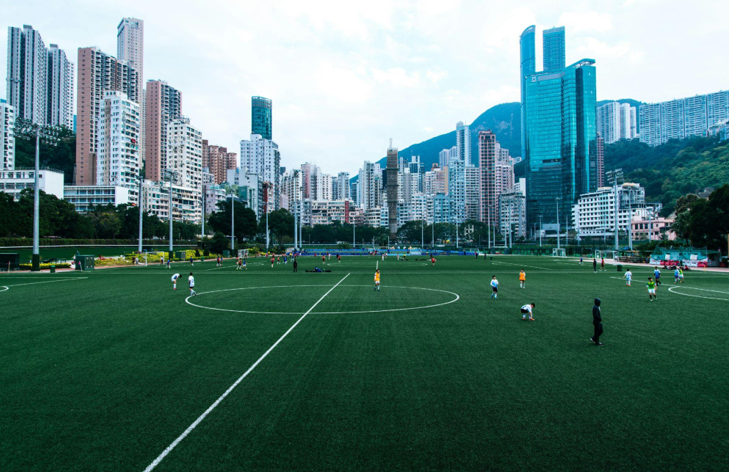
Asia’s sports year in 2026 won’t feel like a tidy calendar pinned to a wall. It will feel like a rolling feed, with fixtures, clips, reactions, and live updates traveling faster than the broadcast used to, turning the phone into a stadium concourse where people buy access, argue about tactics, and keep score together.
What changes the future is not only who wins, but how attention is gathered and converted into habits: subscriptions, watch-alongs, fan communities, and a growing menu of interactive add-ons that make sport something you can live inside rather than simply watch.
Japan’s big hosting year
The most significant anchor point is the 2026 Asian Games in Aichi and Nagoya, scheduled for 19 September to 4 October 2026, an event designed to pull athletes and audiences from across the continent into one story. Esports will again feature in that story, with 11 medal events, signaling how seriously Asia’s institutions now treat competitive gaming as a spectator sport. Reuters has also reported that mixed martial arts will debut at these Games, another sign that the program is willing to evolve.
For fans, the modern experience is stitched from many small moments, and much of that idle time is now spent on parallel entertainment, with online casino games appearing in the same digital ecosystem that delivers highlights and medal tables.
Youth football arrives early
January brings a different kind of spotlight: the 2026 AFC U-23 Asian Cup in Saudi Arabia, running 6–24 January, with eligibility set for players born on or after 1 January 2003. This tournament has a particular bite because it turns development into immediate consequences, where one mistake, one red card, or one late goal can change a player’s reputation in a week.
In Japan and South Korea, youth tournaments are also familiar venues where rivalries renew themselves under new names. At the same time, Southeast Asian audiences watch for signs that the gap is narrowing through improved academies, coaching, and a deeper talent pipeline.
Basketball keeps its local soul
Basketball remains a daily language in the Philippines, and the PBA remains central to that identity and widely regarded as the first professional basketball league in Asia. Japan’s pro game has its own modern structure in the B.League, created through a merger and starting top-flight play in the 2016-17 era. South Korea’s Korean Basketball League has operated since 1997, with a stable top division that sustains domestic rivalries throughout the season.
Where 2026 gets interesting is the regional layer: the East Asia Super League (EASL) is described as an international competition featuring clubs from Japan, South Korea, and the Philippines, among others, and its 2025-26 season runs through March 2026, keeping cross-border matchups in the mix.
Esports as a medal chase and a weekly routine
Esports in Asia now has two lives: the headline moments that make the news, and the weekly leagues that build communities. The Asian Games’ esports medal slate adds institutional weight, while domestic circuits keep the scene warm every month. In the Philippines, MPL Philippines is described as the premier professional league for Mobile Legends: Bang Bang, functioning as a qualification pathway to the title’s major international events.
South Korea’s esports culture remains a global reference point, and Japan’s scene continues to grow, with teams, creators, and packed live events—proof that fan energy can be generated without the scale of traditional stadium sports.
The stream is the product
Media habits are reshaping leagues as much as tactics. In Japan, the top football tier (J1 League) lists DAZN as a key broadcaster, and the league has also been preparing a shift to a fall–spring format beginning 2026-27. This structural change reflects global scheduling pressures and broadcast strategy. Across Asia, official clips, short highlights, and influencer breakdowns turn match days into multi-platform events where creators monetize attention with sponsorships and branded segments, and online betting markets often ride the same live-data rhythm that powers streams, refreshing alongside the play rather than after it.
Betting as a second screen
Betting platforms fit into the 2026 ecosystem because they reward the same behavior modern media encourages: staying connected, reacting quickly, and following multiple threads at once. The healthier pattern is deliberately simple, meaning small stakes, clear limits, and long stretches of watching without wagering, so the sport remains the main meal.
Some fans choose a single hub for match-adjacent activity, and MelBet Philippines can sit in that role as a companion to streams and stats, primarily when users treat it as entertainment-first and keep responsible tools and boundaries in place.
What 2026 leaves behind
When the year ends, the lasting change won’t be confined to medal tables and finals. 2026 will reinforce a new baseline for Asian sport: cross-border leagues that feel normal, esports that belong on the same poster as traditional events, and fan communities built as much in comment sections and watch parties as in arenas. The future won’t arrive with a single launch; it will come as a habit, one notification at a time.